Self-care is not just about following the newest trends and influencers. It is the habits of taking care of your mind, body, and soul – giving them what they need to function well in many years down the road.
What Is Self-Care, Really?
Self-care goes beyond temporary indulgences like manicures, facials, shopping, and spa treatments. These are what we see often on TikTok. Sometimes it involves doing uncomfortable things that support your long-term well-being.
Signs your self-care routine is not working
- It feels like another task on your to-do list.
- You get more tired or feel your energy depleted after your routine.
- You’re escaping your emotions rather than processing them.
- Your negative emotions got worse.
- You prioritize instant gratification over long-term well-being.
- Your self-care routine is expensive to maintain.
Self-care isn’t just about what makes you feel good right now. It’s about what helps you feel better in the long run.
After doing a self-care ritual for yourself, ask: Do I genuinely feel better, or was I simply distracted for a while?
10 Meaningful Self-Care Ideas Beyond Skincare and Pampering
1. Detox from screens and tech
With the rise of AI dramas, I spent more than 4 hours a day watching dramas. In hindsight, I know it was unhealthy, but I didn’t know its real impact until I watched this video by Arthur Brooks, a leading authority on the science of human happiness. It made me realise that I’m using doomscrolling and entertainment consumption to feed myself artificial dopamine, so that I’m constantly feeling rewarded and not bored. I was distracted from processing negative emotions. However, the feelings fade eventually, leaving me with an unwell body from staying up late to watch dramas.
Realising what I’ve done to my health and the reason I’m doing so, here are a few steps I’m implementing:
- No social media and drama in the first and last hour of the day.
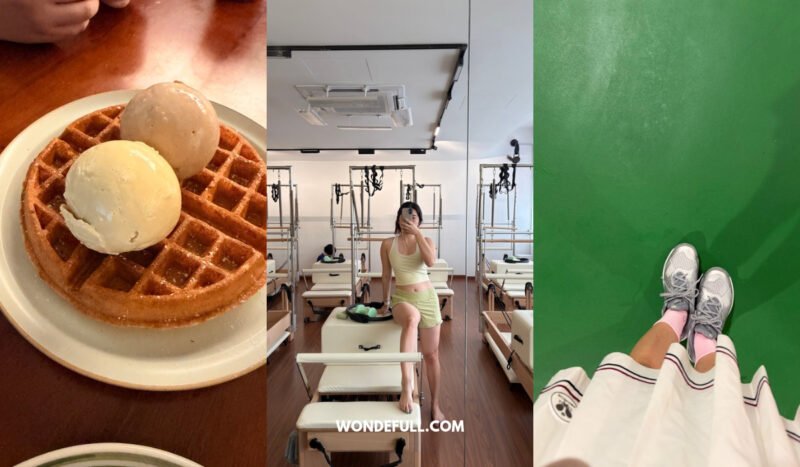
- When I crave dopamine, I urge myself to do something hands-on and physical to earn the reward: reading, journaling, Pilates, gym, incline walking, skincare pampering, and so on.
- Go back to meditation
In the era of AI, it is sooooo important to know how to use tech and AI correctly. It should elevate the quality of our lives, instead of making us obsessed and depressed.
2. Practice meditation and mindfulness
Vipassana meditation is the best meditation method I have found so far; read more about my 10-day silent retreat here.
Whenever I stopped doing it for weeks, I always found myself being troubled again by anxiety and stress, usually caused by unnecessary worry and competition with others.
Meditation grounded me, and it cleared the clouds in my mind, allowing me to regain focus on things matter most.
3. Slow down with traditional self-care rituals
Growing up Chinese, I’ve been exposed to Traditional Chinese Medicine (TCM) and its approach to health and wellness. In recent years, I’ve incorporated a few TCM-inspired rituals into my self-care routine. Here are some of my favourites:
1. Facial Gua Sha: My favourite ritual for relaxing facial tension and giving my cheeks and jaw a lift. You don’t need oil; any moisturiser with decent slip works. Remember to choose a gua sha with at least 10mm thickness to avoid hurting your skin.
2. Arm Meridian Massage (经络按摩): A traditional massage technique that follows the meridian pathways described in TCM. I started it to slim down my arms (with little success, haha!), but I’ve continued because my mood gets better after the massage According to TCM, six meridians run through the arms and are associated with different organ systems and emotional well-being. I find the massage particularly relaxing after a stressful week.
3. Herbal and Fruit Teas: Brewing a warm cup of tea with ingredients like red dates, goji berries, or dried fruits is a simple way to slow down.
4. Foot Patches: I occasionally use these as part of my nighttime routine. In TCM, mugwort is traditionally used to dispel dampness (祛湿). I enjoy this simple ritual as a way to unwind before bed.
Let’s try creating your own wellness rituals that suit your lifestyle and needs. You can take inspiration from traditional practices like TCM, Ayurveda, or explore rituals from other cultures.
What matters most is finding something that is within your budget and works for you. Self-care should be a natural part of your everyday life.
4. Detach from the outcome and enjoy the process
As an overachiever, I have to keep reminding myself not to get attached to the outcome. In the world of reality, outcome = effort * luck. Without the right timing and opportunity, most of our goals wouldn’t be achieved in the set timeframe.
I had to keep reminding myself to enjoy the process and maximise the learning, instead of clinging to the outcome.
Instead of pushing myself to hit KPIs each quarter like $500/mo for a side project, a $10k salary, and losing 2kg, I’m going to change it to commitment goals, such as testing 3 ways to improve Etsy conversion, testing new social media content every week, and so on.
5. Travel and explore new places
Working in a corporate job, travelling is something I look forward to every quarter. Learning about the history and culture of the place, enjoying the local food, and taking in the scenery are the best parts of travelling.
Travelling doesn’t just recharge me; it also expands my horizons and gives me fresh perspectives on life.

6. Express your creativity and thoughts
We’re consuming more digital content than ever, from endless social media feeds to AI-generated entertainment. But what’s the point of absorbing so much information if we never take the time to process it?
Instead of constantly consuming other people’s ideas, take time to reflect, form your own opinions, and express yourself.
Personally, I do this through blogging and social media. If you don’t want to others to see it, try journaling.
Sometimes, the most meaningful insights come from reflecting on what we’ve consumed, rather than consuming more.
7. Find physical activities you enjoy and prioritize recovery
Don’t do it for trends or social counterparts; do it because you like it. Sports are already physically tiring. To make it a habit, pick something that is near you.
Post workout, it’s important to have recovery. Physiotherapy, rest days, sleep, and learning not to push through pain will help you sustain your sports habit. Recovery isn’t wasted time, it’s the support your body needs.
8. Invest in things that save time and improve your well-being
Sometimes, spending money is a form of self-care. When you’re not sure if you should spend on that item, I recommend you ask yourself two questions:
1. Is it something that I use frequently or for long hours? A good mattress, pillow, shoes, or ergonomic setup can improve daily comfort more consistently than occasional pampering.
2. Will it help me get more time? Sometimes, paying extra for a taxi, direct flight, cleaner or convenient service is worth it if it saves you hours of travelling or unnecessary stress.
The goal isn’t to spend more, but to spend intentionally on things that genuinely improve your quality of life.
9. Nurture relationships that make you a better person
The people you surround yourself with can have a huge impact on your emotional well-being. When you spend time with someone, pay attention to your well-being and ask yourself if the company make you a happier and better person.
Some people can be rooting for you at your highs, not at your lows. Make time for those who genuinely support you, and make you feel comfortable being yourself around them.
At the same time, learn to set boundaries with people who constantly drain your energy. Protecting your peace is also a form of self-care.
10. Make fewer decisions every day
We make countless decisions every day, from what to wear and eat to should I wash my hair today (girls knows it). While each decision may seem small, they add up and overload our brains .
Simplify your daily routines by preparing outfits the night before, plan workout routine or automating repetitive tasks.
The fewer decisions you have to make about trivial things, the more mental energy you can save for what truly matters.
Like the self-care topic? Share it on Pinterest – thank you!